
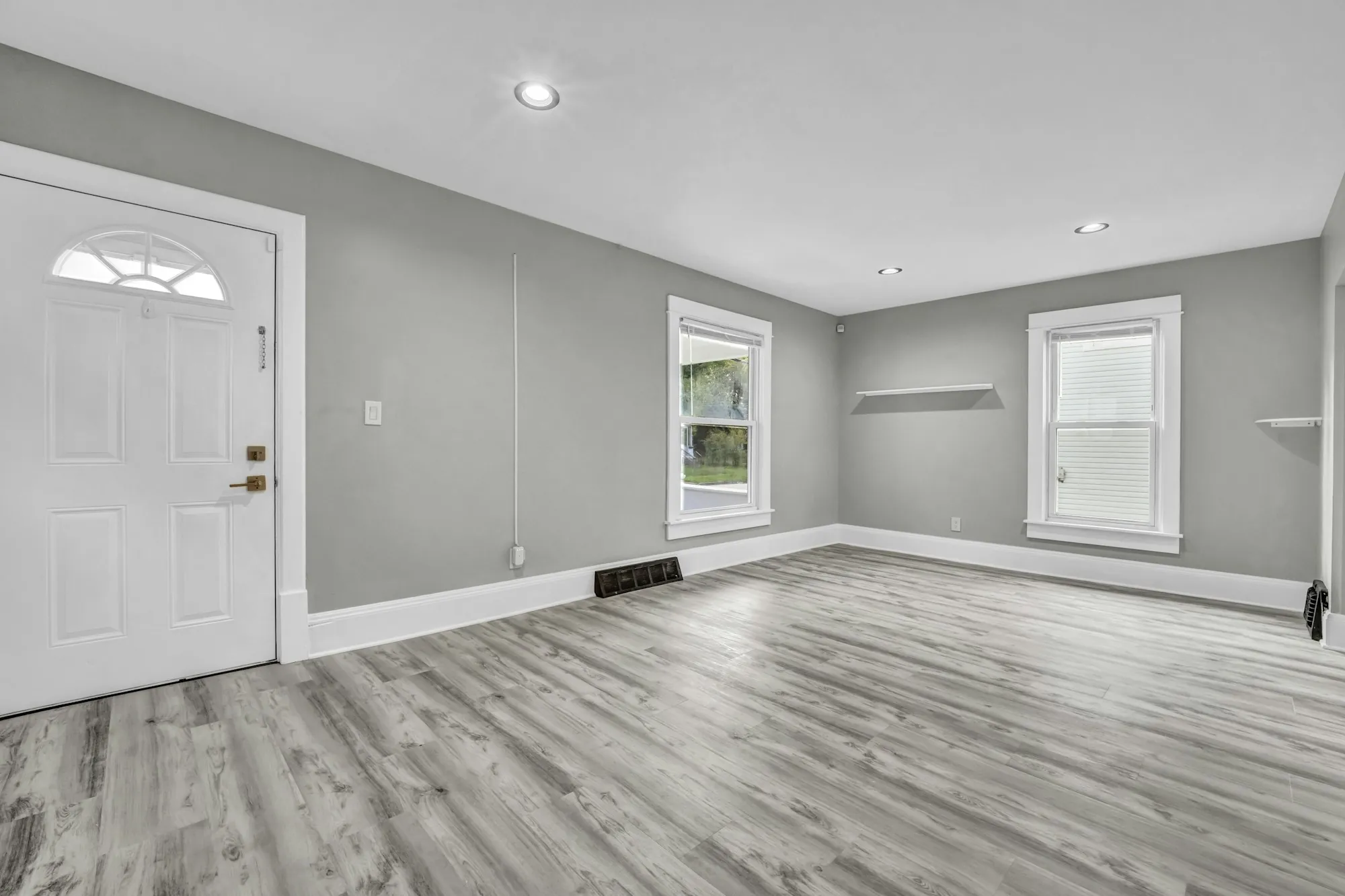
Walls, trim, outside
Interior & Exterior Painting in Walnut Grove
Paint as a job of its own or as the final stage of a remodel we built, with every wall, trim run, cabinet and outside surface prepped before color goes on.
The Last Stage Shows Everything
Paint is the final layer, so it shows every flaw left by the stages before it: a dented corner, a drywall seam, a patch that was never sanded. When the same team built those stages, the painters are not inheriting someone else's shortcuts.
As a project of its own, the job starts with prep: washing, scraping, filling, sanding and spot-priming. That work takes longer than rolling the color, and it decides how long the finish holds.
Things to Know Up Front
-
Houses From Before 1978
Paint layers from before 1978 may contain lead. When they do, scraping and sanding happen under lead-safe containment with a thorough cleanup, which adds time and appears in the estimate.
-
Weather Sets the Outdoor Dates
Exterior work needs a dry stretch and mild temperatures, so outside days are set by the forecast. When rain pushes a day back, you hear about it promptly.
-
Sheen by Surface
Glossier finishes wipe clean and suit trim and baths but show every dent; flatter ones hide wall flaws. We suggest a sheen for each surface on your list.
Painting Questions
Can you paint the kitchen cabinets instead of replacing them?
If the boxes and doors are solid, yes. They are cleaned, deglossed, primed and finished in a hard enamel, which changes the look of the room for far less work than new cabinets.
Why does prep take longer than painting?
Because paint only bonds well to a clean, sound, dull surface. Washing off grime, scraping loose edges, filling and sanding take time, and skipping them is why some paint jobs peel within a year. The prep is listed in your estimate so you can see it.
Time for Fresh Color?
Let us know what needs color, inside or out, and what shape it is in now. We will explain the prep each surface needs, how many days the job would run and what changes the cost.